The Archive

Everything we have found so far.

Entries are added as they are verified in the field. Coordinates are approximate; the walk is the point.
History and Forgotten PlacesFarr CemeteryPhotograph pending
History and Forgotten Places

Farr Cemetery

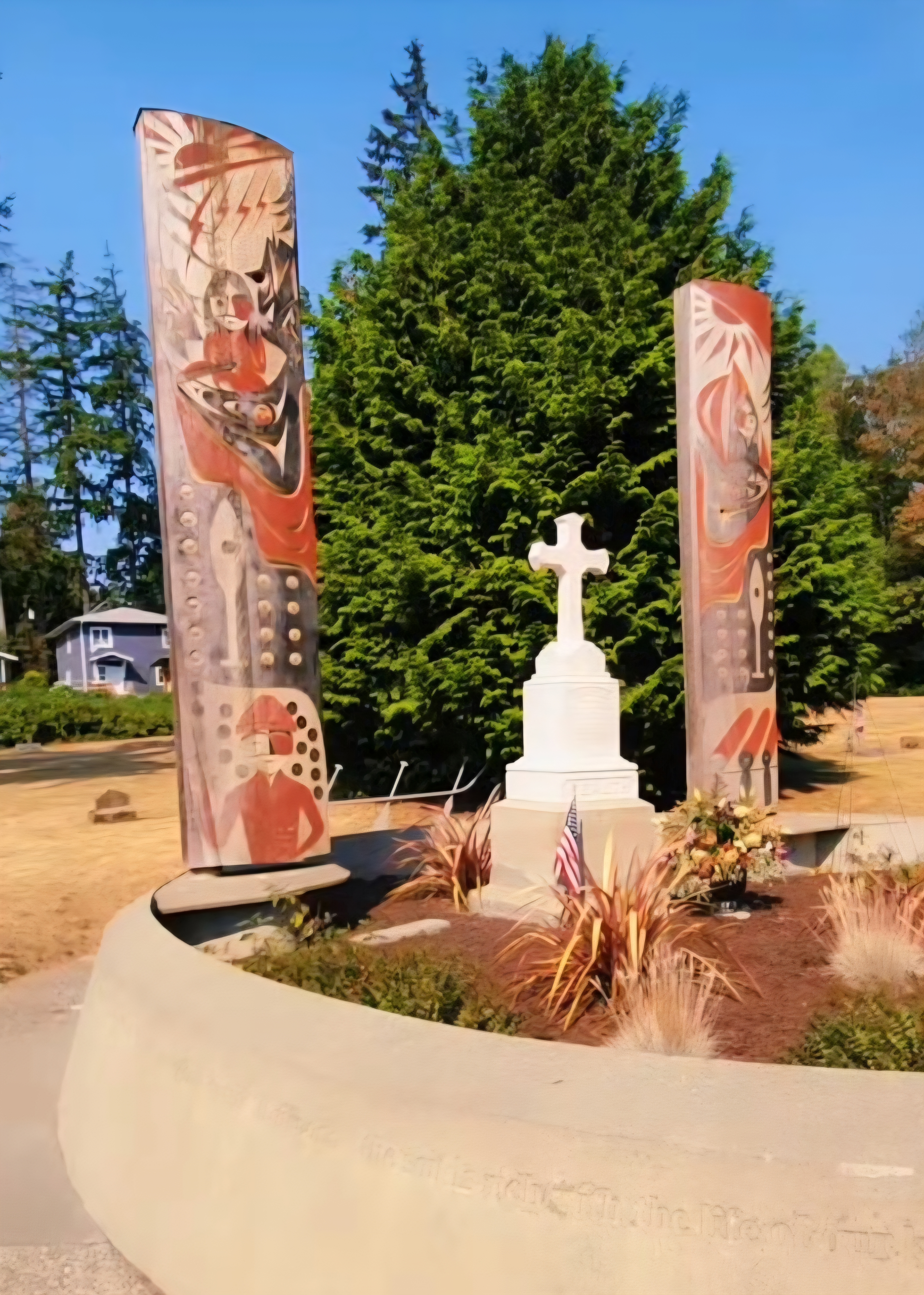
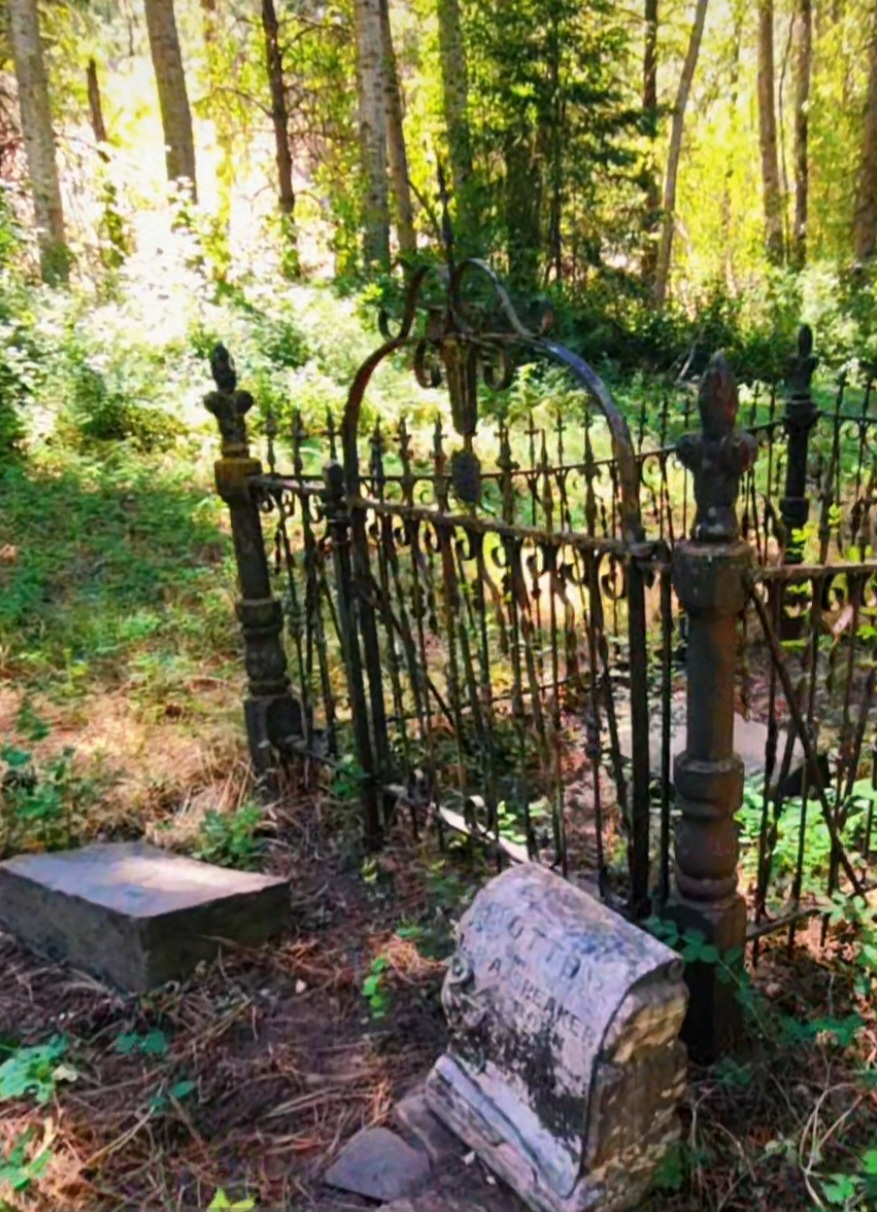
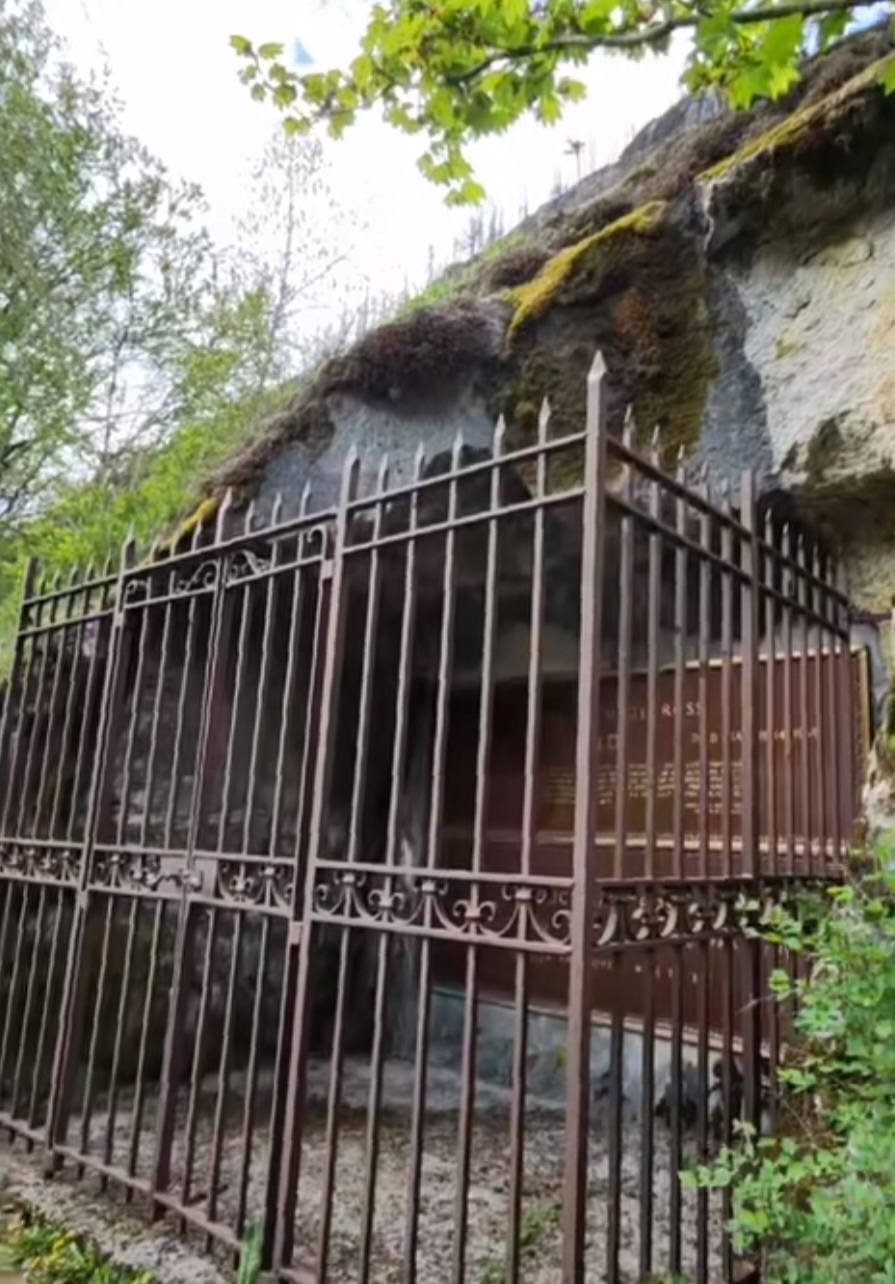
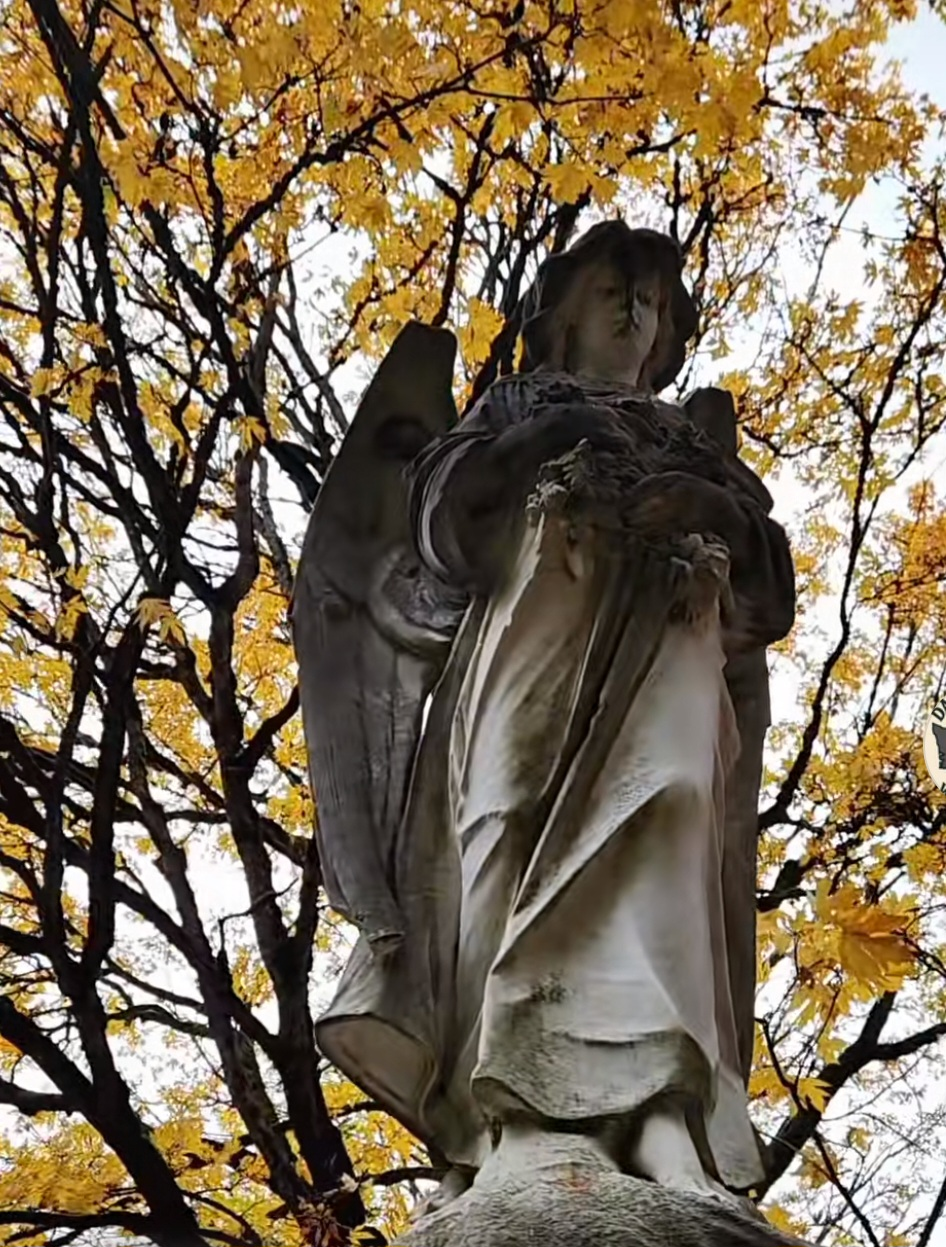
The fence makes Farr look like a tiny cemetery, but that's deceptive. Knowing that graves extend beyond it—and that even the surviving stones may no longer stand over the people they belong to—completely changes how you look at this quiet little patch of Pullman. Hidden among the homes of Pullman's Sunnyside Hill, Farr Cemetery is a surviving piece of the city's pioneer history. Burials here date to at least 1882, and historical research has identified evidence of roughly 81 graves, although far fewer people and markers are documented today. The original burial area extended beyond the small fenced enclosure visitors see now. Farr reportedly served as a free cemetery, providing a burial place for early settlers and travelers passing through the Palouse. Many children were laid to rest here during an era when illnesses including measles and typhoid took a devastating toll on families. Among those associated with Farr is Dr. Henry J. Webb, an early physician often called the "father of Pullman," who played a role in bringing the railroad and what became Washington State University to the community. Sarah Jane Boone Farnsworth, a niece of Daniel Boone, is also believed to be buried somewhere on the hill, although the location of her grave has been lost. The cemetery itself has an unusual preservation story. Cemetery researcher and archivist Maggie Rail recorded that after repeated vandalism, surviving headstones were removed and stored for safekeeping in the basement of Pullman City Hall—where they were eventually forgotten. When rediscovered and returned, their original locations could no longer be determined. As a result, the stones standing inside the fence today may not mark the actual graves of the people named on them.

46.7268° N, 117.1915° W
The Museum of Un-Natural History
Art & Wonder

The Museum of Un-Natural History

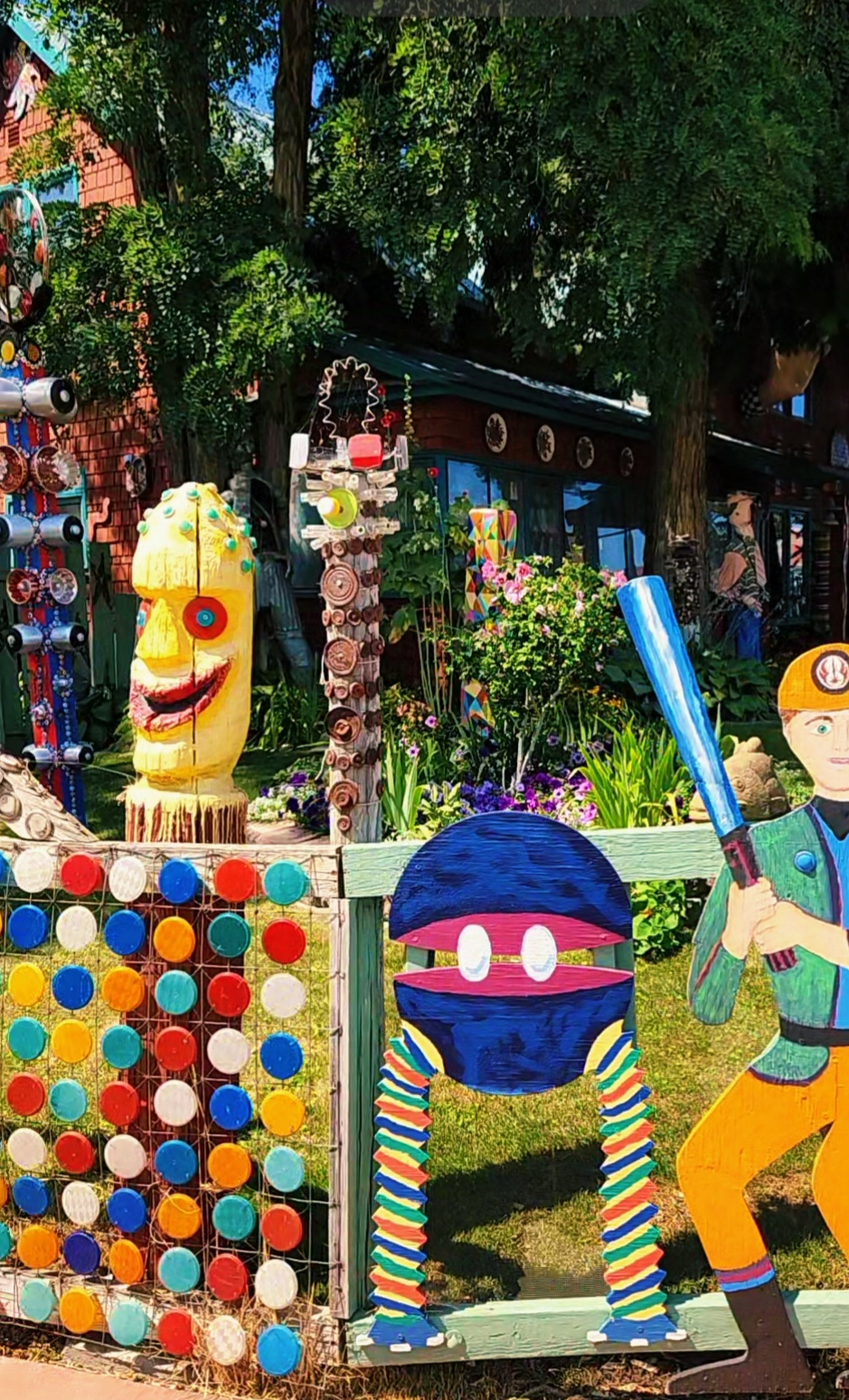
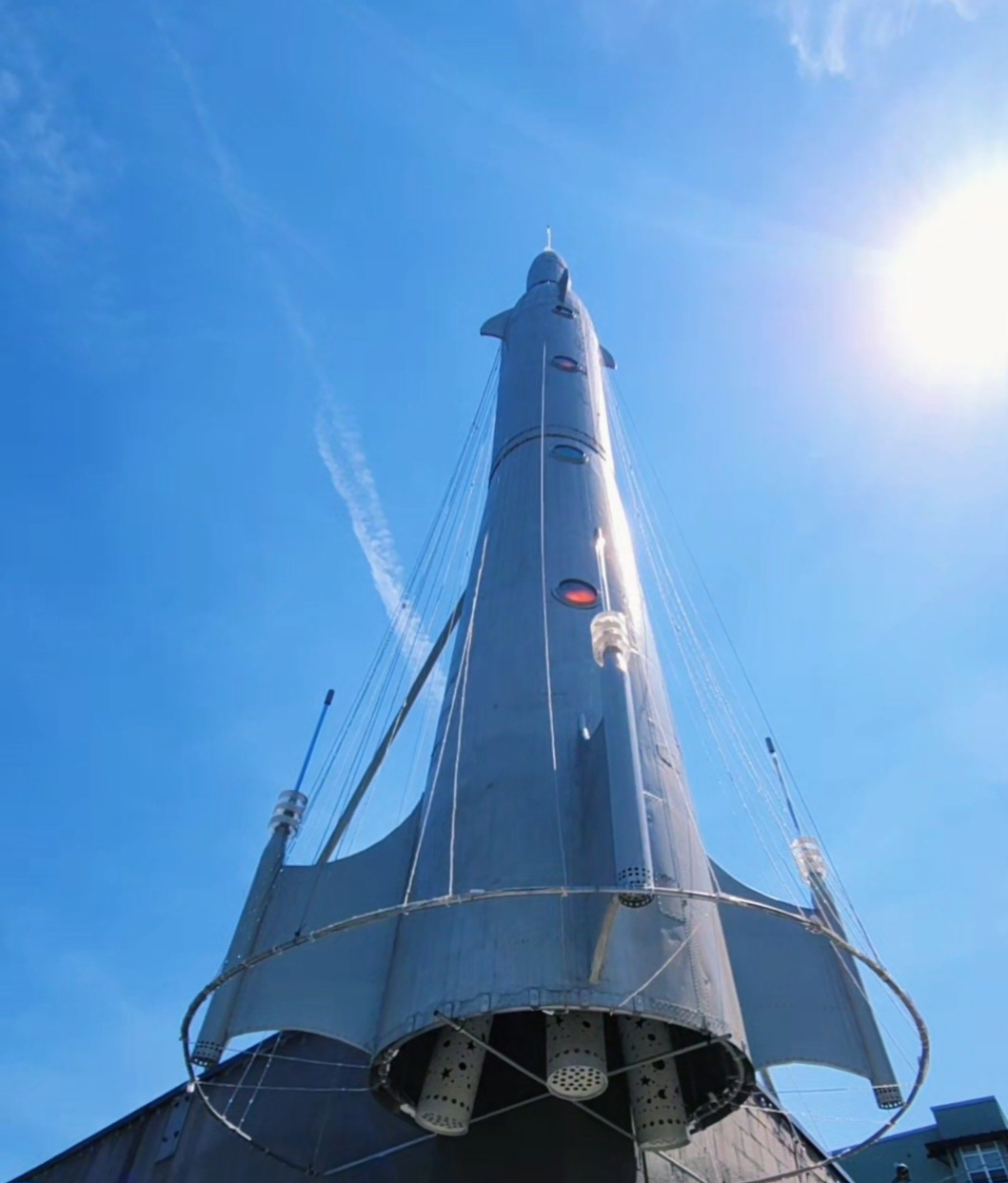
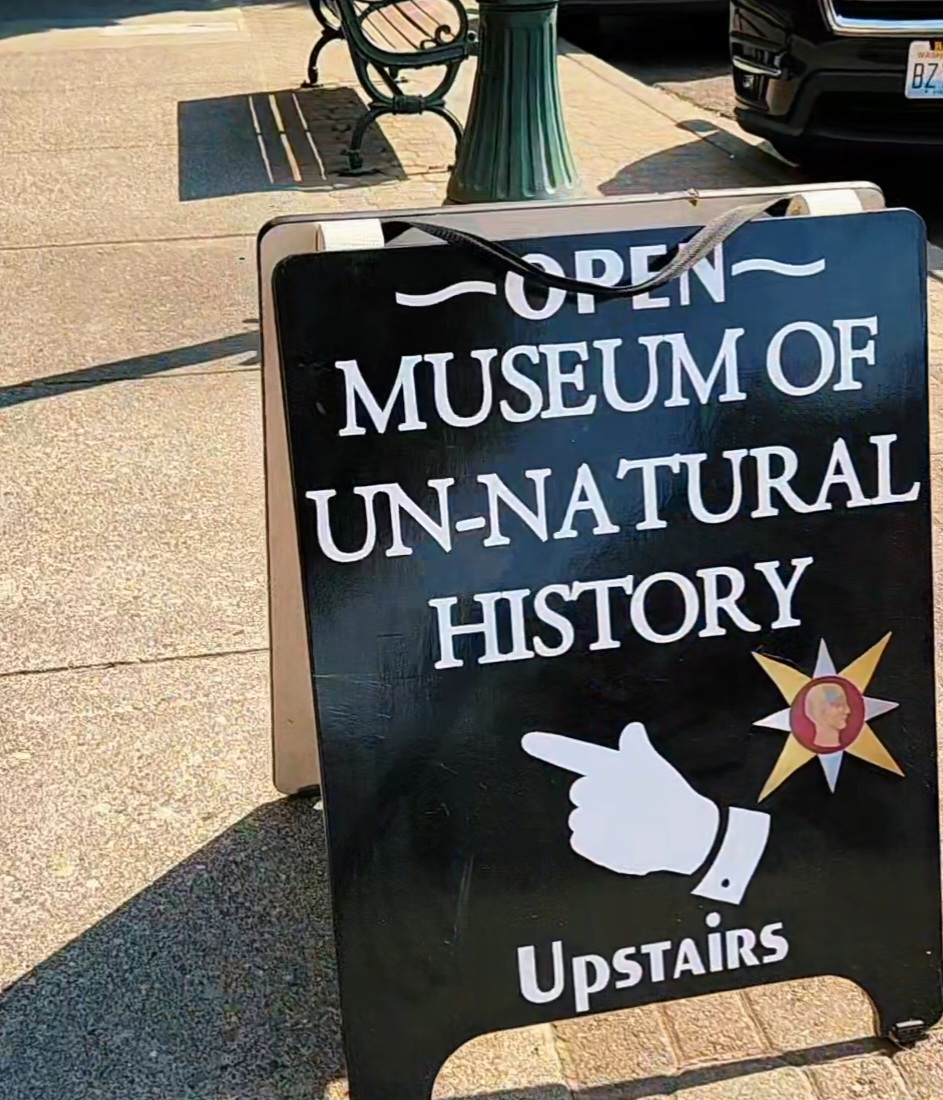
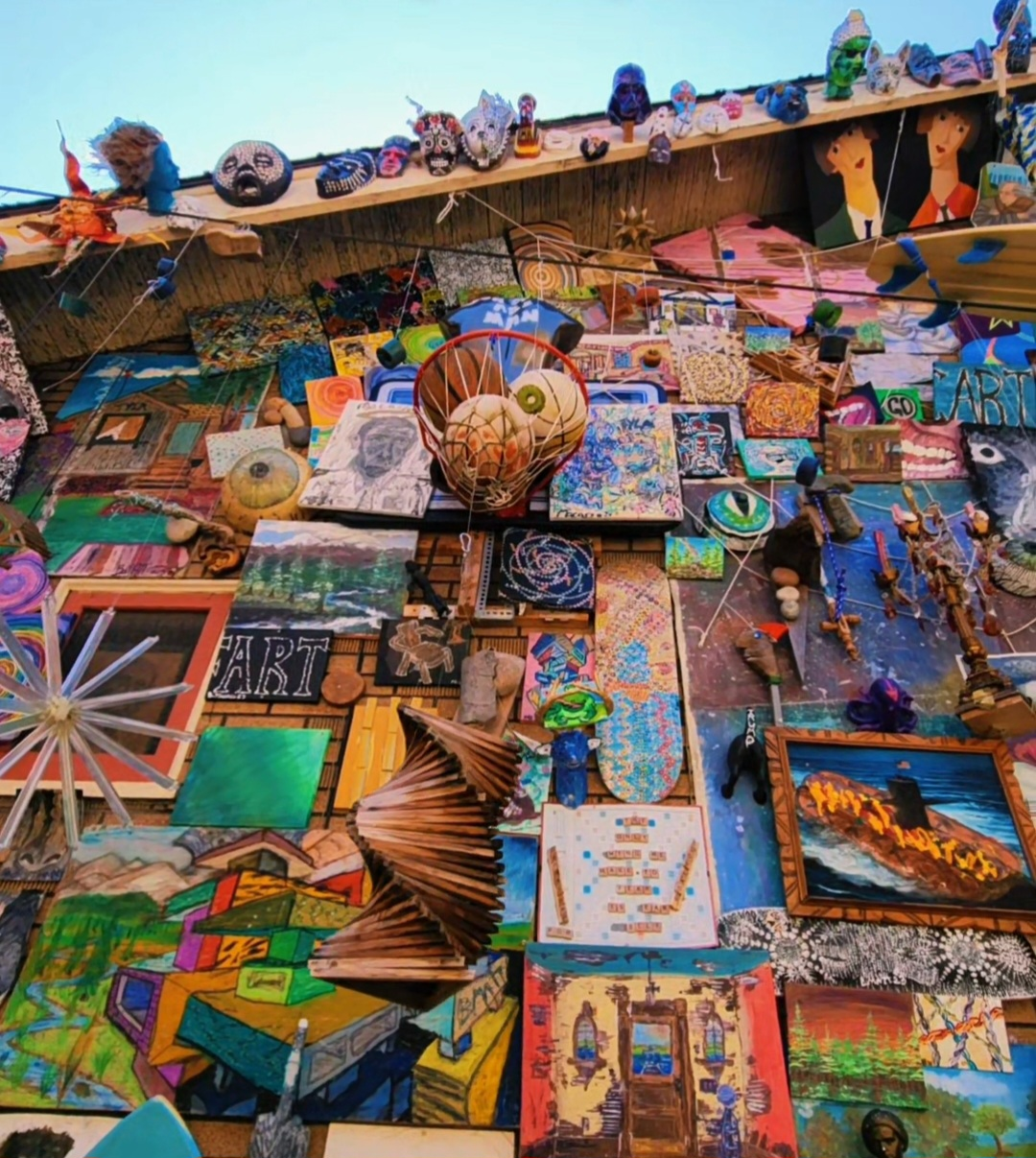
This is one of the most imaginative places I've found in Washington. It's whimsical, mechanical, surreal, funny and occasionally completely baffling. Give yourself time to wander and look closely. Admission is free, but bring some cash for the donation hat—I'd really love to see this little museum survive.Hidden upstairs on Main Street in Walla Walla, the Museum of Un-Natural History was created by artist and actor Gerald "Gerry" Matthews.Matthews had a long career in entertainment, appearing on Broadway and television and spending decades as the voice of Sugar Bear. His wife, actress Pat Stanley, had an impressive Broadway career of her own, winning the 1959 Tony Award for Best Featured Actress in a Musical for Goldilocks.The couple retired to Walla Walla in 1989, where Matthews began creating assemblages and mechanical works from old wood, machine parts and found objects. Eventually, he had enough work to need somewhere to put it. In 2001, the Museum of Un-Natural History opened.Influenced by Dada, surrealism, satire and absurdity, Matthews wanted visitors to do more than simply look at art. His work was intended to make people think, laugh, question—and occasionally become a little annoyed.Gerry died in 2025 at age 94, but his wonderfully strange little museum remains. Family and local volunteers have worked to keep it open, and admission is still free.Hours are very limited: currently Saturdays, 10 a.m.–2 p.m. Check current hours before making a special trip.And bring cash if you'd like to help. The wonderfully low-tech donation system is a hat marked “ALMS,” a tradition that goes back to Gerry himself.

46.0666° N, 118.3399° W